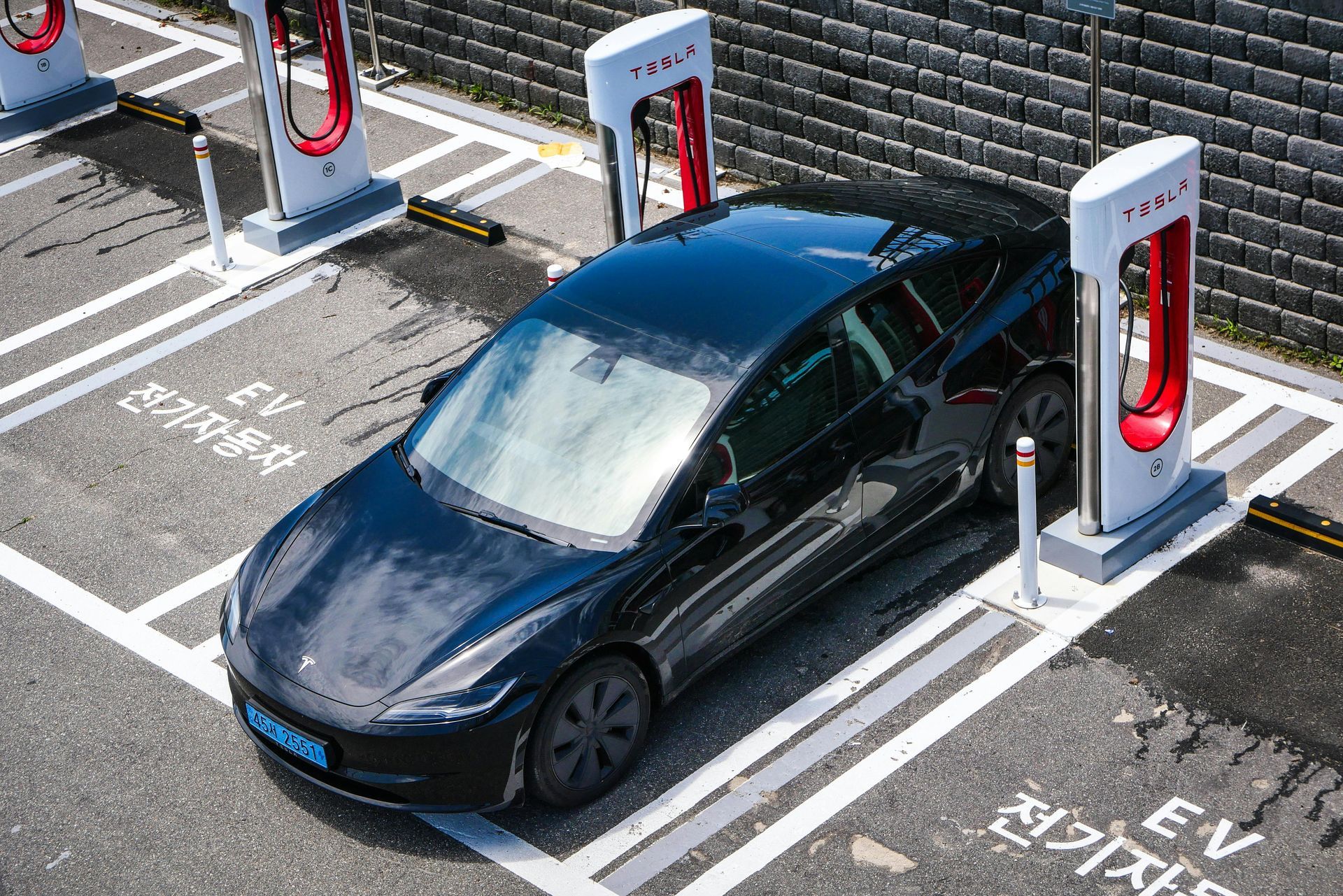
Electric Vehicle Tax Rules
Electric vehicles used to come with significant tax perks; no road tax, very low company car charges and generous reliefs for businesses. While they are still tax-efficient in many cases, those advantages are gradually being reduced.
From April 2025, EVs are no longer exempt from Vehicle Excise Duty. Most new electric cars now pay the standard annual rate (currently £190), and vehicles with a list price over £40,000 also face the £410 “expensive car” supplement for five years. That increases annual ownership costs, although EVs can still be cheaper to run overall, particularly with access to low-cost charging.
There is still government support through the Electric Car Grant, which offers up to £3,750 off eligible new vehicles. However, not all models qualify, so it is important to check eligibility before buying.
For company car users, EVs are still good. The Benefit-in-Kind rate is rising gradually from 2% to 5% by 2028/29, but that is still significantly lower than most petrol or diesel alternatives. Electric vans also retain a 0% BIK rate until at least April 2028.
Businesses can continue to claim 100% capital allowances on new electric cars (if purchased outright) and on charging points, making them tax-efficient investments.
Basically, EVs are still a sensible option from a tax perspective, just not quite the bargain they once were. Running the numbers before making a purchase is now more important than ever; give us a call on 01622 738165 and we can help you with that!